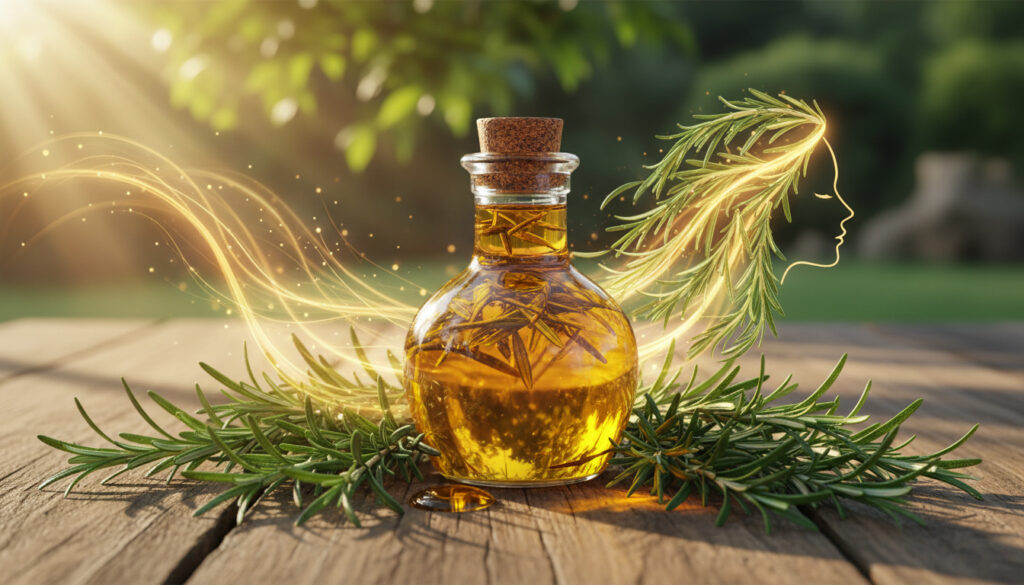
Nature Spell Rosemary Oil – Benefits, Usage and Hair Growth Guide
Rosemary oil has emerged as a prominent natural remedy for hair growth and scalp health, with Nature Spell positioning its offering as a 100% pure essential oil option in this expanding market. Derived from the Rosmarinus officinalis plant, this aromatic oil carries compounds that may stimulate circulation and block DHT, a hormone associated with hair miniaturization. While scientific validation for rosemary oil continues to develop, users seeking alternatives to pharmaceutical treatments like minoxidil increasingly turn to botanical solutions for daily hair care routines.
Nature Spell markets its rosemary oil as a vegan, steam-distilled product typically available in 30ml quantities, priced between $10 and $15. The brand targets consumers interested in hair growth, scalp psoriasis relief, and dandruff reduction through topical application. However, specific clinical trials testing Nature Spell’s proprietary formulation remain unavailable in current research literature, requiring consumers to evaluate this product within the broader context of established rosemary oil science.
Understanding the distinction between general rosemary oil efficacy and brand-specific performance proves essential for informed purchasing decisions. While studies demonstrate certain mechanisms by which rosemary compounds influence hair follicles, individual results depend heavily on application consistency, dilution practices, and personal scalp conditions.
What Are the Benefits of Nature Spell Rosemary Oil?
Nature Spell rosemary oil offers potential advantages aligned with documented properties of pure rosemary essential oil. The product contains carnosol and carnosic acid, compounds that may block dihydrotestosterone (DHT) while promoting vascularization of the scalp. These mechanisms suggest utility for individuals experiencing pattern hair loss or seeking improved hair density through natural means.
100% pure essential oil (Rosmarinus Officinalis Leaf Oil)
Hair growth stimulation and scalp health maintenance
30ml (typical retail size)
$10-$15 USD range
Research indicates several key mechanisms through which rosemary oil influences hair biology:
- Follicular stimulation: Enhanced blood circulation delivers increased oxygen and nutrients to hair roots, potentially extending the anagen (growth) phase of the hair cycle according to physician reviews.
- DHT inhibition: Active compounds may interfere with the hormone responsible for follicle miniaturization in androgenetic alopecia.
- Anti-inflammatory action: Reduction of scalp inflammation addresses underlying conditions that contribute to hair shedding and psoriatic symptoms.
- Antimicrobial protection: The oil maintains scalp cleanliness by inhibiting microbial growth that exacerbates dandruff and itchiness.
- Antioxidant defense: Protective properties may reduce oxidative stress on follicles, potentially delaying premature graying.
- Comparative efficacy: A 2015 study demonstrated results comparable to minoxidil 2% with reduced scalp itching reports.
- Cost accessibility: Positioned as an inexpensive, low-risk intervention relative to pharmaceutical alternatives.
| Specification | Details |
|---|---|
| Botanical Name | Rosmarinus Officinalis Leaf Oil |
| Extraction Method | Steam distilled |
| Suitable Applications | Hair, skin, aromatherapy |
| Shelf Stability | 24 months (typical) |
| Dietary Classification | Vegan |
| Key Active Compounds | Carnosol, carnosic acid, rosmarinic acid |
How Do You Use Nature Spell Rosemary Oil for Hair Growth?
Proper application technique determines both safety and potential efficacy when using concentrated essential oils. Nature Spell rosemary oil requires dilution before scalp contact to prevent chemical burns or inflammatory reactions.
Dilution Requirements
Pure rosemary oil demands carrier oil suspension to achieve safe topical concentrations. Clinical guidance suggests approximately three drops of rosemary oil per teaspoon of carrier oil such as coconut, jojoba, or almond oil. This ratio provides therapeutic concentration while minimizing irritation risk.
For sensitive scalps, reduce concentration to two drops per teaspoon initially. Those with established tolerance may increase to four drops, though exceeding this concentration provides no documented additional benefit and increases dermatitis risk.
Application Protocol
Systematic application ensures even distribution across the scalp. Begin with dry or lightly towel-dried hair to prevent oil repulsion by water droplets. Part hair into sections to expose the scalp, then apply diluted drops directly to visible skin rather than hair shafts. Massage using fingertips—not nails—for five to ten minutes to enhance absorption and stimulate circulation. Allow the oil to penetrate for five to ten minutes before rinsing or proceeding with shampoo.
Frequency and Duration
Daily application appears most effective in clinical contexts. Users should anticipate a six-month commitment before evaluating results, as studies indicate visible hair count increases typically emerge around the 24-week mark. Discontinuation before this period likely precludes potential benefits.
Is Nature Spell Rosemary Oil Pure and Safe?
Product safety depends on both ingredient integrity and user-specific sensitivities. While Nature Spell markets its oil as 100% pure rosemary essential oil, individual reactions vary based on skin barrier function, concurrent dermatological conditions, and product formulation interactions.
Purity Standards
The designation “100% pure essential oil” indicates undiluted botanical extract without synthetic additives. However, independent laboratory verification specific to Nature Spell’s manufacturing batches or third-party purity certifications remains unavailable.
Documented Adverse Effects
Reported side effects include scalp irritation, burning sensations, and contact dermatitis. Some formulations—particularly those containing additional botanical ingredients or preservatives—have triggered inflammatory responses resulting in increased hair shedding among sensitive users.
Apply diluted oil to a quarter-sized scalp area behind the ear or at the nape. Monitor for 24 hours for erythema, pruritus, or burning before full application. Discontinue immediately if inflammatory responses occur, as persistent scalp inflammation exacerbates rather than prevents hair loss.
Contraindications
Pregnant individuals should consult healthcare providers before use, as rosemary oil contains compounds that may influence uterine tone. Those with epilepsy or bleeding disorders should similarly seek medical guidance due to potential neurological or anticoagulant effects associated with high-concentration rosemary exposure.
What Do Reviews Say About Nature Spell Rosemary Oil?
Specific customer feedback for Nature Spell rosemary oil remains undocumented in current literature. Evaluation of this product requires extrapolation from general rosemary oil user experiences and comparative studies against established treatments.
Comparative Performance Data
A frequently cited 2015 trial demonstrated comparable outcomes between rosemary oil and minoxidil 2% over six months, with rosemary users reporting significantly less scalp itching. More recent murine studies suggest 1% rosemary formulations may outperform minoxidil in hair quality metrics, though human confirmation remains pending.
Genetic factors determining androgen receptor sensitivity, baseline inflammation levels, and adherence to application protocols create substantial variability in user outcomes. Medical sources acknowledge limited robust evidence for hair loss reversal, suggesting rosemary oil represents a reasonable but unproven experimental option rather than a guaranteed solution.
Market Positioning
Nature Spell occupies the mid-range pricing tier for pure rosemary essential oils. Without specific Amazon review data or independent consumer reports in the available research, objective assessment of customer satisfaction remains limited to product specification comparisons. Competitors offering similar purity standards at comparable price points include multiple established aromatherapy brands.
Timeline: When Should Users Expect Results?
Hair growth occurs through cyclical biological processes resistant to immediate intervention. Understanding realistic timeframes prevents premature discontinuation and unnecessary financial expenditure.
- Weeks 1-4: Initial scalp adaptation period. Some users report increased shedding as follicles transition between growth phases—a normal physiological response to changed scalp conditions.
- Months 2-3: Subtle textural improvements in existing hair may become noticeable, though new growth remains microscopic. Research indicates visible changes rarely manifest before this point.
- Months 4-6: Quantifiable increases in hair count typically emerge. The 2015 minoxidil comparison study documented significant divergence from baseline measurements at the 6-month evaluation.
- Months 7-12: Continued maturation of previously stimulated follicles produces increased hair density and diameter. Consistent daily application during this period maximizes cumulative benefits.
- Beyond 12 Months: Maintenance phase requiring continued use to preserve gains, as discontinuation likely returns follicles to baseline activity levels.
Certainty vs. Uncertainty: What Does Science Actually Confirm?
Discerning verified mechanisms from marketing claims enables realistic expectation management. The following comparison highlights established biological effects versus areas requiring additional investigation.
- Vasodilation and improved scalp circulation
- Carnosic acid DHT inhibition in laboratory settings
- Anti-inflammatory effects on psoriatic plaques
- Antimicrobial activity against scalp pathogens
- 6-month parity with minoxidil 2% in human trials
- Reduced scalp irritation compared to pharmaceutical alternatives
- Nature Spell specific formulation efficacy (no brand-specific studies)
- Optimal concentration percentage for hair growth
- Long-term safety beyond 12 months continuous use
- Efficacy in non-androgenetic alopecia types
- Synergistic effects with other essential oils
- Reproducibility of murine study results in humans
Understanding Rosemary Oil in Modern Hair Care
The resurgence of botanical hair treatments reflects broader consumer skepticism toward synthetic chemicals and desire for multi-functional personal care products. Left Side Chest Pain Causes often prompt individuals to examine systemic health factors, including stress-related hair loss that plant-based treatments aim to address through holistic scalp management rather than isolated symptom suppression.
Rosemary essential oil occupies a unique position within traditional medicine systems, having served Mediterranean cultures for centuries as both culinary and medicinal preparation. Modern extraction methods preserve volatile compounds responsible for biological activity, though standardization remains challenging due to natural harvest variations. Nature Spell and similar contemporary brands commercialize these historical applications for current wellness markets.
The intersection of anecdotal traditional use and emerging clinical validation creates tension for evidence-based consumers. While Left Side Stomach Pain Causes require immediate medical evaluation, hair loss treatments allow for experimental approaches given their non-urgent nature and low safety risks when properly diluted.
Evidence and Expert Perspectives
Medical and scientific sources offer measured assessments of rosemary oil’s therapeutic potential, emphasizing the distinction between promising preliminary data and conclusively established treatments.
“There’s not a lot of good evidence that rosemary oil actually helps with hair loss… it may be worth trying as an inexpensive, low-risk natural option.”
— Medical review, GoodRx
“Additional research is still needed to support this further and determine in which cases it is and isn’t effective.”
— Healthline Medical Assessment
“Rosemary essential oil was comparable to minoxidil (Rogaine) in promoting hair growth… with the added benefit of fewer side effects, particularly less scalp itching.”
— Physician Review, Origenere (referencing 2015 study)
Key Takeaways for Potential Users
Nature Spell rosemary oil represents a moderately priced entry into botanical hair care, offering the theoretical benefits of pure rosemary essential oil including improved circulation and potential DHT inhibition. Success requires six months of consistent daily application with proper dilution, while users should maintain realistic expectations given limited conclusive evidence for hair regrowth. Those experiencing significant hair loss should first rule out underlying medical conditions—such as thyroid dysfunction or nutritional deficiencies—that require targeted intervention beyond cosmetic scalp treatments.
Frequently Asked Questions
Where can I purchase Nature Spell Rosemary Oil?
Nature Spell rosemary oil is available through the brand’s official website and various online retailers. Standard 30ml bottles typically retail between $10 and $15, though pricing varies by vendor and promotional periods.
How does Nature Spell compare to Mielle rosemary oil products?
Nature Spell offers pure essential oil requiring dilution, while Mielle provides pre-formulated blends with carrier oils and additional ingredients. Some users report scalp irritation with certain Mielle formulations, though individual reactions vary by scalp sensitivity.
Is this product effective for treating dandruff?
Rosemary oil’s antimicrobial and anti-inflammatory properties may reduce Malassezia yeast populations and scalp flaking. Regular application can address itchiness and dryness, though severe seborrheic dermatitis may require medicated shampoos.
Can I use Nature Spell rosemary oil daily?
Daily use appears most effective for hair growth objectives. However, those with sensitive scalps may initially alternate days to assess tolerance before increasing frequency.
What should I do if I experience burning or itching?
Discontinue immediately and rinse with mild soap and water. Persistent reactions require dermatological consultation. Reduce dilution ratios or frequency if attempting reintroduction.
Does this oil help with beard growth?
While research focuses primarily on scalp application, the same mechanisms—improved circulation and DHT interaction—theoretically apply to facial hair follicles. No specific studies confirm beard growth efficacy.
Can pregnant women use this product?
Pregnant individuals should avoid concentrated rosemary oil due to potential uterine stimulant effects. Consultation with obstetric care providers is essential before use during pregnancy or lactation.
How should I store the oil to maintain potency?
Store in amber glass away from direct sunlight and heat sources. Properly stored essential oils maintain efficacy for approximately 24 months. Refrigeration is unnecessary but acceptable in hot climates.
More related posts
 Ken Miles – The Engineer Behind Ford’s Le Mans Victory
 Scottie Pippen – Biography, Career Stats and Net Worth
 Joseph Stalin – Biography, Height, Cause of Death and Key Facts
 Vanity Unit – Complete Guide to Sizes, Types & Installation
 Bronagh Gallagher – Biography, Films and Personal Life
 Running Shoes – 2026 UK Expert Picks for Men, Women & Trails
 Jeff Lynne 2025 – Bio, Net Worth, Wife and Farewell Tour
 Brandon Flowers – Biography, Wife, Height, Net Worth and More
