
Left Side Stomach Pain – Causes and When to See a Doctor
Left side stomach pain affects millions of adults annually, ranging from temporary digestive discomfort to indicators of serious medical conditions requiring emergency intervention. This symptom can manifest in the upper or lower quadrants, presenting as sharp, dull, chronic, or triggered specifically after eating, often accompanied by nausea, diarrhea, fever, back pain, or bloating.
Medical evaluation becomes necessary when pain persists or accompanies warning signs such as high fever, vomiting, or blood in stool. Understanding the anatomical structures located on the left side—including the spleen, left kidney, pancreas, stomach, colon, and ovaries—helps identify potential causes ranging from benign gas to emergency conditions like ectopic pregnancy or pancreatitis.
What Causes Left Side Stomach Pain?
Diverticulitis, gas, indigestion, kidney stones, irritable bowel syndrome, and constipation account for the majority of presentations.
Fever exceeding 101°F, blood in urine or stool, persistent vomiting, and severe unrelenting pain indicate emergency conditions.
Spleen, left kidney, colon, pancreas, stomach, and in females, the ovaries.
Monitor mild symptoms 24-48 hours with rest and hydration; seek immediate care for red flags or worsening pain.
Clinical patterns reveal distinct associations between pain location and underlying pathology. What Causes Abdominal Pain on the Left Side provides additional clinical context on these correlations.
- Diverticulitis represents the leading cause of lower left pain in adults over age 40, involving inflamed pouches in the colon.
- Kidney stones typically produce sharp, intermittent pain radiating from the left flank toward the groin and back.
- Upper left quadrant pain often signals spleen enlargement, pancreatic inflammation, or stomach ulcers.
- Women face additional diagnostic considerations including ovarian cysts and potentially life-threatening ectopic pregnancy.
- Gas and constipation account for most benign, self-limiting cases that resolve within 24 hours.
- Severe, unrelenting pain requires emergency evaluation regardless of duration or apparent trigger.
- Pain characteristics and accompanying symptoms provide crucial diagnostic clues for clinicians.
| Location | Possible Cause | Accompanying Symptoms | Urgency Level |
|---|---|---|---|
| Upper Left Quadrant | Enlarged Spleen | Fullness, anemia, fever | Medium-High |
| Upper Left | Pancreatitis | Severe pain, nausea, vomiting | Emergency |
| Upper Left | GERD/Hiatal Hernia | Chest radiation, heartburn | Medium |
| Lower Left Quadrant | Diverticulitis | Fever, diarrhea, cramping | High |
| Lower Left | IBS/Constipation | Bloating, relief after bowel movement | Low |
| Left Flank | Kidney Stones | Blood in urine, groin radiation | Medium-High |
| General Left Side | Gas/Indigestion | Belching, mild cramping | Low |
| Lower Left (Women) | Ovarian Cysts | Pelvic pain, irregular bleeding | Medium |
What Organs Are Located on the Left Side of the Stomach?
The Spleen and Upper Quadrant Structures
The spleen sits in the upper left abdomen beneath the rib cage. When enlarged due to infections, liver disease, or cancer, it causes upper left pain potentially accompanied by anemia or fever. Providence Health notes that spleen-related pain often presents with a feeling of fullness and requires medical imaging for confirmation.
Spleen enlargement rarely causes pain in healthy adults; when present, it typically indicates underlying infection, liver dysfunction, or hematologic conditions requiring specialist evaluation.
The Colon and Lower Digestive Tract
The descending colon and sigmoid colon occupy the lower left quadrant. Manhattan Gastroenterology identifies diverticulitis—inflamed pouches in the colon wall—as particularly common after age 40, causing lower left pain, cramping, fever, nausea, bloating, and changes in bowel habits.
The Left Kidney and Urinary System
The left kidney sits against the back muscles, with pain often manifesting in the flank rather than front abdomen. Cleveland Clinic explains that kidney stones cause sharp left-sided, back, or groin pain, frequent urination, blood in urine, nausea, and fever exceeding 101°F when infection accompanies the stone.
The Pancreas and Stomach
The pancreas extends across the upper abdomen, with inflammation causing severe, unrelenting upper or midline pain that radiates to the left side. This condition frequently involves nausea and vomiting and may indicate pancreatic cancer in chronic cases. The stomach itself can generate left-sided pain through ulcers, gastritis, or gastroesophageal reflux disease.
When Should You Worry About Left Side Abdominal Pain?
Emergency Warning Signs
Certain symptoms demand immediate emergency department evaluation. Mandaya Hospital Group advises heading to the ER for pain accompanied by high fever, persistent vomiting, blood in stool or urine, inability to pass gas or stool, or symptoms suggesting anemia or significant weight loss.
Severe unrelenting pain, fever above 101°F, vomiting blood, or rigid abdominal walls require immediate emergency intervention, as these may indicate perforation, systemic infection, or ectopic pregnancy complications.
Pain Patterns That Demand Immediate Care
Pain that progresses over hours rather than improving, or pain that localizes sharply in the upper abdomen with radiation to the back, suggests pancreatitis or kidney stones. Digestive Health MD emphasizes that sudden severe pain with back radiation often indicates renal calculi requiring imaging confirmation.
Women of childbearing age experiencing left side pain with nausea or vaginal bleeding must seek immediate evaluation to rule out ectopic pregnancy, which presents life-threatening risks.
Left Side Stomach Pain in Females: Common Causes
Gynecological Conditions
Women experience unique causes of left-sided abdominal pain related to reproductive organs. Ovarian cysts can cause lower left pain with pelvic discomfort and menstrual irregularities. Hormonal fluctuations also increase susceptibility to IBS flares, which may mimic or accompany other gastrointestinal conditions.
Pregnancy-Related Considerations
During pregnancy, left side pain—whether upper or lower—requires careful evaluation. Ectopic pregnancy can present with severe left-sided pain, nausea, and vomiting. Any abdominal pain during pregnancy warrants immediate medical consultation to rule out complications threatening maternal health.
How Long Should You Monitor Left Side Pain Before Seeking Care?
- 0-6 Hours: Assess initial severity, rest, and hydrate. Gas and mild indigestion often begin resolving within this window.
- 6-24 Hours: Monitor for improvement with constipation or gastroenteritis. Maintain hydration and bland diet.
- 24-48 Hours: Consider over-the-counter remedies for persistent mild symptoms. Avoid self-treatment if fever develops.
- Beyond 48 Hours: Schedule medical evaluation for ongoing pain, as Healthline notes that conditions like diverticulitis require professional diagnosis and possible antibiotic therapy.
- Immediate Presentation: Emergency care for sharp, unrelenting pain, high fever, or any red flag symptoms regardless of duration.
Which Symptoms Indicate Clear Causes vs. Uncertain Diagnoses?
| Established Indicators | Uncertain or Requires Investigation |
|---|---|
| Gas pain relieved by movement or bowel movement | Chronic dull pain without clear trigger |
| Kidney stones presenting with blood in urine and flank radiation | Masses or swelling requiring imaging |
| Diverticulitis with fever exceeding 101°F and lower left localization | Pain mimicking cardiac symptoms (requires ECG) |
| IBS patterns with specific food triggers and stress correlation | Unexplained weight loss with abdominal pain |
How Does Left-Sided Anatomy Affect Pain Risk?
The left abdomen houses several high-risk organs concentrated in specific zones. The upper quadrant contains the spleen, pancreatic tail, and stomach fundus, making this region susceptible to trauma-related injury and inflammatory conditions. The lower quadrant harbors the sigmoid colon, prone to diverticular disease in populations over 40 years or those with low-fiber diets.
Age and dietary patterns significantly influence risk profiles. Older adults face higher rates of diverticulitis and kidney stones, while younger populations more commonly experience IBS, gastroenteritis, or gynecological causes. Understanding these demographic patterns helps clinicians prioritize diagnostic testing and treatment approaches.
What Do Medical Sources Say About Left Abdominal Pain?
Left side abdominal pain requires careful contextual evaluation. While many cases resolve spontaneously, the presence of fever, blood in bodily waste, or pregnancy symptoms transforms benign presentations into emergencies requiring immediate intervention.
— Clinical guidance from Providence Health and Cleveland Clinic
Diverticulitis, kidney stones, and pancreatitis represent the most common serious causes of left-sided pain, each requiring distinct diagnostic approaches and treatment protocols.
— Based on findings from Manhattan Gastroenterology and Digestive Health MD
What Are the Key Considerations for Left Side Stomach Pain?
Left side stomach pain originates from diverse organs including the spleen, kidney, colon, pancreas, and reproductive system, with presentations ranging from benign gas to surgical emergencies. While mild cases often respond to rest, hydration, and dietary modifications, persistent pain beyond 48 hours or accompanying red flags such as high fever, blood in stool, or severe unrelenting discomfort demands prompt medical evaluation to rule out diverticulitis, kidney stones, pancreatitis, or ectopic pregnancy. Left Side Stomach Pain When It’s Time to See a Doctor offers additional guidance on recognizing critical symptoms requiring emergency intervention.
Frequently Asked Questions
How to relieve left side stomach pain?
Mild cases improve with dietary changes, increased hydration, and rest. Over-the-counter remedies may help gas or indigestion. Avoid self-treatment when fever, persistent vomiting, or severe pain occurs.
Can left abdominal pain be heart related?
GERD and hiatal hernia may mimic cardiac issues, with pain radiating to the chest. However, left-sided abdominal pain rarely indicates direct heart problems; cardiac evaluation remains necessary when chest radiation occurs.
Why does left side stomach pain worsen after eating?
Diverticulitis, indigestion, GERD, and gastritis commonly trigger post-meal cramping and bloating. These conditions involve inflammatory responses to food intake or digestive pressure on affected tissues.
Is sharp left side pain always a kidney stone?
While kidney stones cause characteristic sharp, radiating pain, pancreatitis and certain gynecological emergencies also produce severe sharp pain. Blood in urine and back radiation suggest stones specifically.
Can left side pain indicate cancer?
Cancers affecting the spleen, pancreas, stomach, or colon may present with left-sided pain, typically accompanied by unexplained weight loss, anemia, or progressive fatigue. These require immediate diagnostic imaging.
What causes simultaneous back and left abdominal pain?
Kidney stones and infections frequently generate concurrent back and flank pain. Pancreatitis also radiates toward the back. Colon issues may refer pain posteriorly in some presentations.
More related posts
 Road Bike – Complete Guide for UK Beginners 2025
 Beth Behrs – Biography, Net Worth, Husband and Career Highlights
 Jacob Fortune-Lloyd – Height, Age, Family and Filmography
 Millie Bobby Brown Husband – Jake Bongiovi Age and Family
 Christina Hendricks – Biography, Career and Life in 2025
 Emily Fairn – Biography, Career, and Facts You Need to Know
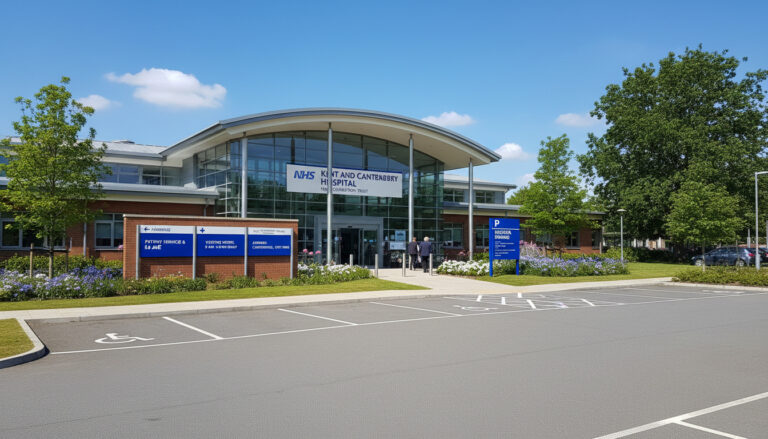 Kent and Canterbury Hospital – Address, Services, Parking and Hours
 Kevin Rowland – Biography, Net Worth and 2025 Updates
