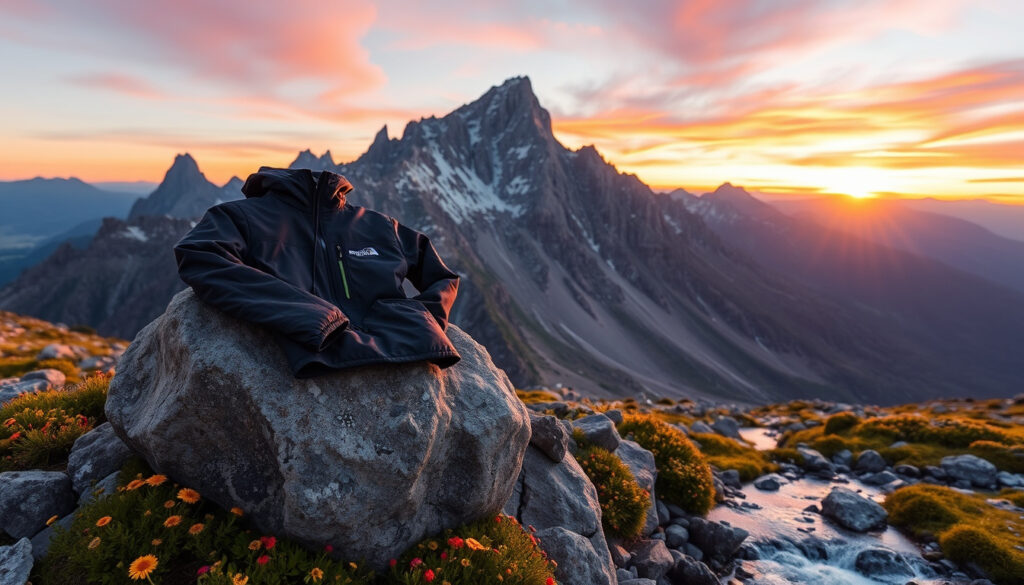
Patagonia Jacket – Guide to Best Models and Sustainability 2025
Patagonia has built a reputation for producing some of the most durable and environmentally responsible outdoor apparel on the market. Their jacket lineup, ranging from the lightweight Nano Puff to the expedition-ready Fitz Roy Down Hoody, covers everything from casual city rain to alpine winter conditions. For 2025, the brand has made significant updates to its waterproofing technology and sustainability commitments, making it a key year for anyone considering a purchase.
Choosing the right Patagonia jacket depends largely on the intended activity, climate, and desired level of insulation. The brand’s focus on repairability and its Ironclad Guarantee also influence the long-term value proposition. This guide breaks down the most popular models, their key features, and what sets them apart in a crowded outdoor gear market.
What is the Best Patagonia Jacket for Your Needs?
Torrentshell, H2No® technology. Most rain jackets are waterproof; down jackets are water-resistant.
From fleece to heavy down. Nano Puff (synthetic), Down Sweater (800-fill goose down).
100% recycled materials in many models. Fair Trade Certified™ sewn, 1% for the Planet.
Ironclad Guarantee. Free repairs or replacement for defects, lifetime.
Several insights emerge from comparing the current lineup directly. The following points capture the essential dynamics for buyers evaluating the brand against other options or making internal model decisions.
- Patagonia jackets are built to last, with a focus on repairability and sustainability.
- The most popular models are the Nano Puff (synthetic insulation) and the Torrentshell (waterproof shell).
- Patagonia’s Ironclad Guarantee is a key differentiator, offering free repairs for life.
- Sizing can vary between men’s and women’s lines; checking the brand’s size guide is recommended.
- Patagonia jackets are priced higher than many competitors, but the durability and warranty often make them cost-effective over time.
| Model | Type | Insulation | Waterproof | Weight | Price Range |
|---|---|---|---|---|---|
| Torrentshell 3L | Rain Jacket | None (shell) | Yes (H2No®) | ~12 oz | $150-$200 |
| Torrentshell 2.5L | Rain Jacket | None (shell) | Yes (HydroWall) | Lightweight | $100-$150 |
| Granite Crest | Alpine Shell | None (shell) | Yes (Gore-Tex) | ~15 oz | $350-$450 |
| Triolet GTX | Ski Shell | None (shell) | Yes (Gore-Tex Pro) | ~20 oz | $450-$550 |
| Jackson Glacier | Urban Rain | None (shell) | Yes (DWR + Laminated) | ~10 oz | $150-$200 |
| Nano Puff | Insulated Jacket | Synthetic (PrimaLoft) | Water-resistant | ~12 oz | $250-$300 |
| Down Sweater | Down Jacket | 800-fill goose down | Water-resistant (DWR) | ~13 oz | $300-$350 |
| Micro Puff Hoody | Insulated Jacket | Synthetic (PlumaFill) | Water-resistant | ~8 oz | $300-$400 |
| Fitz Roy Down Hoody | Expedition Parka | 800-fill down + synthetic | Yes (H2No®) | ~28 oz | $500-$600 |
Are Patagonia Jackets Waterproof and Other Material Features?
Waterproof Technology: H2No® and Torrentshell Explained
The Torrentshell 3L uses Patagonia’s proprietary H2No® Performance Standard, which has been shown to match the waterproof performance of Gore-Tex in severe weather conditions, according to testing by CNN Underscored. Its durable water repellent (DWR) coating ensures water beads up and slides off the fabric. For those needing a heavier-duty shell, the Granite Crest uses a Gore-Tex membrane, offering similar wetness protection but in a more rugged build suitable for skiing and mountaineering.
While the Torrentshell 3L is fully waterproof and ideal for hiking and daily rain, the Nano Puff is only water-resistant. For sustained downpours, a waterproof shell is necessary.
Insulation Types: Synthetic vs. Down
The Nano Puff jacket uses synthetic PrimaLoft insulation, which retains heat even when wet. The Down Sweater, in contrast, uses 800-fill goose down, providing a higher warmth-to-weight ratio but requiring more careful management in wet conditions. The Micro Puff Hoody uses PlumaFill synthetic insulation, offering a strong warmth-to-weight ratio in a vegan-friendly package.
Durability and Fabric Technologies
The Torrentshell 3L is constructed from 100% recycled ripstop nylon, providing abrasion and stain resistance. The Granite Crest uses a 75-denier recycled face fabric for added ruggedness in alpine environments. These fabrics contribute to the overall longevity documented by REI’s expert reviews.
How Long Do Patagonia Jackets Last and How to Care for Them?
Patagonia’s Ironclad Guarantee: What It Covers
All Patagonia jackets are backed by the Ironclad Guarantee. If a product does not perform to your satisfaction, Patagonia will repair, replace, or refund it. This lifetime warranty covers defects, but normal wear and tear over decades is handled through their repair services.
Step-by-Step Washing Guide for Patagonia Jackets
Wash jackets after 7–10 wears using a mild detergent for technical gear. Machine dry on low heat to reactivate the DWR coating. Avoid standard detergents that can leave residue. Detailed instructions from Patagonia’s care guide emphasize that heat is critical for reactivating the DWR.
If water stops beading on your jacket after washing, applying a PFAS-free waterproofing solution like Storm Proof can restore its water repellency.
Extending the Life of Your Jacket: Repair and Reuse
Patagonia’s Worn Wear program encourages customers to repair their gear rather than replace it. The program provides repair guides, spare parts, and a platform for buying and selling used Patagonia clothing.
Is Patagonia Jacket Sustainable? Environmental Ethics and Production
Patagonia’s Commitment to Recycled Materials and Fair Trade
For the Spring 2025 season, all new membranes and water-repellent finishes are made without intentionally added PFAS. Patagonia has detailed this transition on its PFAS policy page. Most top models, including the Torrentshell 3L and Granite Crest, utilize 100% recycled polyester or nylon face fabrics. The Torrentshell 3L is manufactured in a Fair Trade Certified factory.
The Worn Wear Program: Repair, Reuse, Recycle
The Worn Wear program is a cornerstone of Patagonia’s environmental strategy. By extending the life of garments, the program reduces overall consumption and waste.
1% for the Planet and Other Environmental Contributions
Patagonia is a founding member of 1% for the Planet, committing 1% of sales to the preservation and restoration of the natural environment.
Patagonia has phased out intentionally added PFAS in its waterproof membranes and DWR finishes as of the Spring 2025 season, replacing older PFC chemistries.
Patagonia Jacket Innovation Timeline
- 1973: Founding of Patagonia by Yvon Chouinard; first jackets made from pile fabric.
- 1990: Introduction of the Synchilla® fleece jacket, a staple for decades.
- 2005: Launch of the Capilene® base layer line, expanding fabric technology.
- 2012: Introduction of the Torrentshell jacket with H2No® waterproof technology.
- 2014: Nano Puff insulated jacket released, using 100% recycled polyester.
- 2020: Patagonia announces 100% of down and wool products will be Traceable Down or Responsible Wool Standard.
- 2023: Launch of the latest Torrentshell 3L with improved durability and recycled content.
Established and Unclear Aspects of Patagonia Jackets
When evaluating a Patagonia jacket purchase, some aspects are well-documented while others depend on specific production cycles or personal usage.
Established Information
- Patagonia jackets are made with high-quality materials and backed by a lifetime warranty.
- The Torrentshell is fully waterproof; the Nano Puff is water-resistant, not waterproof.
- Patagonia uses recycled materials and Fair Trade practices in many products.
Information that Remains Unclear
- Exact weight and fit can vary slightly between production runs; check the latest product page.
- Availability of specific colors and sizes changes seasonally.
- Long-term durability depends on usage and care; warranty covers defects but not normal wear and tear.
How Do Patagonia Jackets Fit Into the Outdoor Apparel Market?
Patagonia jackets are a leading choice in outdoor apparel, known for their durability, environmental ethics, and performance. The brand’s strengths lie in material innovation and a strong warranty.
Compared to competitors like The North Face or Arc’teryx, Patagonia offers a more sustainable and repairable product, but may have fewer technical features in extreme weather gear. The high price point can be a barrier, but the Ironclad Guarantee often makes it a cost-effective long-term investment.
What Do the Sources Say About Patagonia Jackets?
“Our Ironclad Guarantee: If you are not satisfied with one of our products at the time you receive it, or if one of our products does not perform to your satisfaction, return it for a repair, replacement, or refund.”
— Patagonia Official Website
“We are committed to using 100% recycled materials in our polyester products by 2025.”
— Patagonia Environmental & Social Responsibility Report
“Patagonia’s Torrentshell jacket offers reliable waterproof protection with a lightweight packable design.”
— Cotswold Outdoor Product Page
Choosing the Right Patagonia Jacket
Patagonia’s 2025 lineup offers a jacket for nearly every outdoor scenario, from daily commutes in the city to alpine expeditions. The Torrentshell 3L stands out as the best all-arounder for its balance of price, durability, and waterproof performance. For those seeking a deeper dive into specific styles, exploring a guide on the Laura Ashley – Brand History, Products and Where to Buy can provide additional context on heritage and quality apparel.
Frequently Asked Questions
How do I wash my Patagonia jacket?
Most Patagonia jackets can be machine washed in cold water with a mild detergent. Avoid fabric softeners. For waterproof jackets, use a wash-in DWR treatment after washing. Always check the care label.
Are Patagonia jackets made in the USA?
Patagonia manufactures globally, but many products are made in factories with Fair Trade certification. Some items are made
More related posts
 Coral Reef – Waterworld Tickets and Ecosystem Guide
 Willie Garson – Cause of Death, Wife, and Iconic TV Roles
 Jeff Lynne 2025 – Bio, Net Worth, Wife and Farewell Tour
 Camila Mendes – Biography, Age, Ethnicity, and Latest News
 John Lewis Travel Money – Rates, Fees, and Full Comparison
 James Beck – Dad’s Army Actor Biography and Death
 Nicola Peltz – Biography, Age, Net Worth, and Family
