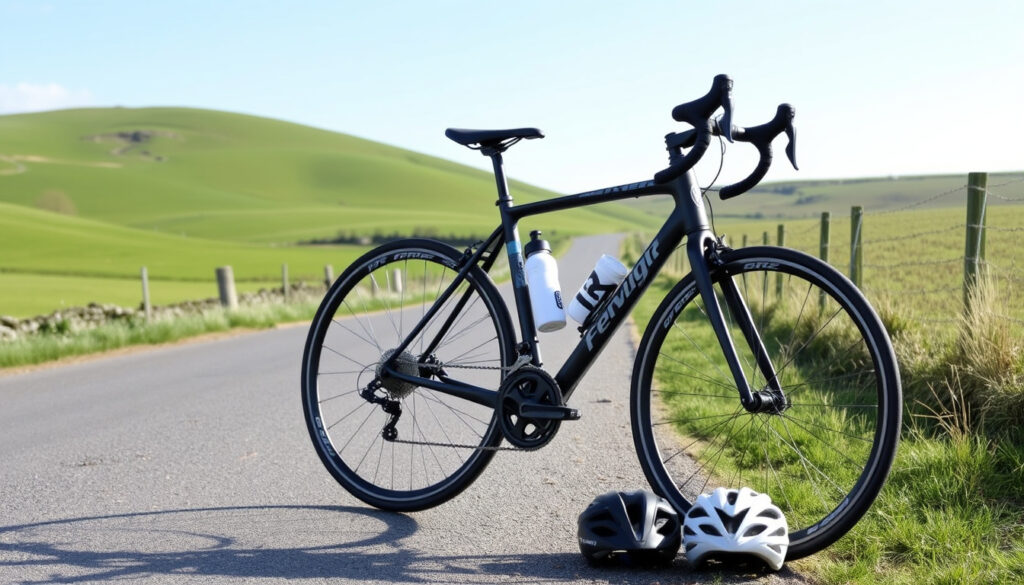
Road Bike – Complete Guide for UK Beginners 2025
A road bike is a bicycle built for speed on paved roads. Lightweight frames, narrow tyres, and drop handlebars define the category. In the UK, road bikes are used for fitness riding, commuting, club runs, and competitive racing. Understanding what you need from a road bike matters more than the price tag. The market in 2025 offers choices from budget aluminium models to high-end carbon machines, and the right pick depends on your riding style, budget, and goals.
Buying a first road bike can feel overwhelming. There are multiple frame materials, component tiers, wheel sizes, and geometry types to consider. This guide breaks down the essentials: what a road bike is, which brands offer the best value at different price points, how to choose the right size and type, and what £500 can realistically buy you in the UK today.
Whether you are looking at a Decathlon Triban, a Canyon Endurace, or a used bike on eBay, the same principles apply. Frame material, groupset quality, and proper fit determine how much you will enjoy riding. No assumptions are made about individual preferences; instead, the aim is to give you the information needed to make an informed decision.
What is a Road Bike? A Complete Definition and Types
A road bike, sometimes called a road bicycle or racer, is designed for travelling at speed on tarmac. According to Wikipedia, the term describes bicycles built for speed on paved roads. Key features include a lightweight frame, narrow tyres (typically 25–32mm), drop handlebars, and multiple gears. Road bikes prioritise efficiency and aerodynamics over comfort, though modern endurance models have relaxed this trade-off.
Bicycle designed for speed on paved roads
Racing, Endurance, Aero, Gravel (sub‑category), Touring
£300 (entry) – £10,000+ (pro) | Sweet spot: £500–£2,000
Canyon, Decathlon (Triban), Specialized, Trek, Giant, Boardman
Key insights for anyone new to road bikes:
- The best road bike for most beginners is an endurance geometry bike under £1,000 – comfortable yet efficient.
- Decathlon’s Triban range offers exceptional value for money under £500 and is widely recommended.
- Canyon bikes are known for excellent price‑to‑performance ratios but require online purchase only (no test rides).
- Second‑hand road bikes on eBay can be great value, but buyers should check frame size, wear on drivetrain, and carbon damage.
- Aluminium frames are the best entry‑level choice; carbon frames offer weight savings but at higher cost and care needed.
| Fact | Value |
|---|---|
| Average weight of entry‑level road bike | 10–12 kg (aluminium) |
| Average weight of mid‑range carbon bike | 7.5–9 kg |
| Most common wheel size | 700c |
| Typical tyre width (road) | 25–32mm |
| Gearing standard | Compact 50/34T chainring with 11‑32T cassette |
| UK average spend on first road bike | £500–£800 |
Best Road Bike Brands Compared: Canyon, Decathlon, and More
The UK road bike market is dominated by a handful of brands that offer reliable quality and good value. Canyon and Decathlon lead the value segment, while Specialized, Trek, and Giant serve the mid‑to‑premium range. Evans Cycles and Tredz are major retailers stocking multiple brands, often with finance options.
Canyon is a direct‑to‑consumer German brand. Its road bikes, such as the Endurace AllRoad, are praised for razor‑sharp value and complete build quality. Bicycling writes that the Endurace AllRoad “makes you wonder what excuse everybody else has” for its combination of comfort and performance. The trade‑off is that you cannot test ride before buying; sizing must be done online using Canyon’s guide. Warranty and customer support are strong, but resale value is less established than traditional bike‑shop brands.
Decathlon, through its Triban range, is considered the entry‑level king in the UK. The Triban RC 500 sits at around £450–£500 and is the closest new bike to the £500 budget. The RC 520, at £650–£700, is widely called the best overall road bike under £1,000 because it comes with a Shimano 105 groupset – components normally found on bikes costing twice as much. BikeRadar, Rouvy, and Cycling Weekly all highlight the Triban RC 520 as the benchmark for value.
An aluminium frame with a carbon fork is the best compromise under £1,000. The carbon fork absorbs road vibration, improving comfort, while the aluminium frame keeps weight and cost low. This combination is found on the Decathlon Triban RC 520 and many models from Giant and Cannondale.
Other notable brands include Giant, whose Contend 3 (£750–£850) uses comfort‑focused geometry, and Cannondale, whose CAAD Optimo 1 (£800–£950) was named Budget Road Bike of the Year in 2023 by BikeRadar. These bikes are aluminium and sit above the strict £500 budget, but they offer proven durability and ride quality.
For buyers willing to consider second‑hand, eBay is a common source. Used carbon frames from Specialized, Pinarello, and older Ruet models can be found for £400–£500. However, as noted by a YouTube buyer’s guide, inspecting for frame damage and worn components is essential. Paying for a professional inspection is recommended when buying carbon used.
Evans Cycles and Tredz are two of the largest UK retailers. Evans Cycles states that it has “a wide range of men and women’s road bikes for sale, from the basic to the most technologically advanced.” Tredz offers 0% finance, free UK delivery, and advice from riders who actually ride. Both are reliable places to buy new bikes from multiple brands.
How to Choose a Road Bike for Beginners – Size, Budget, and Type
What size road bike do I need?
Road bike sizing is based on frame size, measured in centimetres (seat tube length) or using universal S/M/L categories. Your height and inside leg measurement determine the correct size. A bike that is too large or too small causes discomfort and poor handling. Most brands provide size charts. Visiting a store like Decathlon to try bikes and get advice on fit is recommended for beginners, as noted in a Reddit discussion on UK bike buying.
How much should I spend on my first road bike?
The typical UK average spend on a first road bike is £500–£800. At £300–£500, you get an aluminium frame with entry‑level components (Shimano Claris or Sora). At £500–£1,000, you get aluminium with a carbon fork and better groupsets (Sora or Tiagra). Above £1,000, carbon frames and Shimano 105 become accessible. The sweet spot for most beginners is between £500 and £1,000, where value and performance align.
What is the best road bike for commuting?
An endurance geometry road bike is best for commuting. It offers a more upright riding position, clearance for wider tyres (28–32mm), and often has mounting points for mudguards and a rack. The Decathlon Triban RC 520 is a strong choice. The Specialized Diverge is another popular option, though it blurs the line between road and gravel.
What is the difference between a road bike and a hybrid?
A hybrid bike has flat handlebars, a more upright seating position, and wider tyres. It is slower on tarmac but more comfortable for casual riding. A road bike is faster and more efficient on paved surfaces but requires a more forward lean. For commuting over 5 miles on roads, a road bike is generally the better choice.
Road Bike Price Guide: What Can You Get for £500?
A budget of £500 places you firmly in the entry‑level aluminium segment when buying new. Carbon frames are not available at this price from any reputable brand, according to multiple sources. Rouvy states that entry‑level carbon models typically start around £1,000–£1,400. The best you can do at £500 is an aluminium frame, often with a carbon fork on some models.
The Decathlon Triban RC 500 at £450–£500 is the strongest candidate for a strict £500 budget. It uses a Sora 9‑speed drivetrain, mechanical disc brakes, and an aluminium frame. It is reliable and rideable, but it lacks the carbon fork and higher‑end groupset of the RC 520. For an extra £150–£200, the RC 520 delivers significantly better value with Shimano 105 components.
In the UK, the Cycle to Work scheme allows your employer to buy the bike for you, and you pay it back tax‑efficiently. This can make a higher‑spec bike (even carbon) affordable within a £500 cash equivalent. It is often the cheapest way to get a new road bike without exceeding your out‑of‑pocket limit, as noted in discussions among UK road bike riders.
If you specifically want a carbon frame, the used market is your only option at £500. eBay listings for older Specialized Allez carbon models, Pinarello frames, and Ruet bikes can fall within £400–£500. However, buying used carbon carries risk. Hidden cracks, worn bearings, and outdated components are common. A professional inspection adds cost but reduces risk.
Carbon frames can hide cracks that are not visible to the naked eye. Delamination can occur after impacts. Always ask for detailed photos of the frame, check the bottom bracket area, and if possible, have the bike inspected by a professional mechanic before purchase. Avoid bikes with obvious scratches deep into the clear coat or near joints.
Cheap road bikes under £300, such as the Decathlon Triban RC100 (around £299), are reliable but very basic. They use a single chainring, limited gears, and steel forks. They are fine for short, flat commutes but not ideal for hills or longer rides. As a rule, spending closer to £500 gives a noticeably better riding experience.
Evolution of the Road Bike
The road bike has undergone significant changes since the late 19th century. Understanding this evolution helps explain why modern bikes are lighter, faster, and more comfortable than ever.
- 1885 – Safety bicycle introduced, establishing modern frame geometry.
- 1910s – Derailleur gears developed for racing, allowing multiple speeds.
- 1930s – Campagnolo invents quick‑release skewer and cable‑operated derailleurs.
- 1970s – Aluminium frames become mainstream, offering lighter weight than steel.
- 1980s – Carbon fibre frames appear from Look and TVT, revolutionising weight and stiffness.
- 1990s – Integrated shifters (Shimano STI) allow gear changes without moving hands from the bars.
- 2010s – Disc brakes, electronic shifting, and aero frames become widespread.
- 2025+ – Further integration of smart sensors, wireless shifting, and gravel crossover models.
Road Bike Buying Certainties vs Uncertainties
Some aspects of buying a road bike are well established, while others depend on personal factors and market variability. Below is a clear breakdown.
| Established information | Information that remains unclear |
|---|---|
| Aluminium frames are durable and affordable for beginners. | Whether a carbon frame is worth the premium for non‑competitive riders – depends on budget and goals. |
| A proper bike fit is essential for comfort and efficiency. | Long‑term reliability of budget groupsets (e.g., Shimano Claris vs higher tiers). |
| Brands like Decathlon and Canyon offer reliable value for money. | Optimal tyre width for mixed terrain; 28–32mm is trending but varies by bike clearance. |
| Budget of at least £500 gets a decent entry‑level road bike. | Resale value of direct‑to‑consumer brands (Canyon) vs traditional bike shop brands. |
Road Bikes in the UK Market
Road bikes dominate the cycling market for fitness, commuting, and sport. The UK market sees high demand for budget models (£300–£500) and premium aero bikes (£2,000+). Direct‑to‑consumer brands like Canyon and Ribble challenge traditional retailers such as Evans Cycles and Tredz on price but lack in‑person service. Recent trends include wider tyres (28–32mm) for comfort, disc brakes becoming standard, and electronic groupsets trickling down to mid‑range bikes.
Second‑hand platforms like eBay and Facebook Marketplace offer savings but carry risks, especially for carbon frames with hidden damage. The best road bike for any individual depends heavily on rider type: racer, endurance rider, commuter, or tourer. No single bike suits everyone.
For those looking to understand fit in more detail, the Fedora Hat – How to Choose, Style, and Buy in 2025 guide follows a similar format of comparing options and making informed choices. Likewise, the Marks Spencer Jeans – Complete Guide to Fits, Stretch and Sales offers a comparable structure for evaluating products across price points.
What Experts and Sources Say About Road Bikes
The term road bicycle is used to describe bicycles built for traveling at speed on paved roads.
– Wikipedia – Road Bicycle
Expert buying advice ✓ all types explained ✓ bike sizing guide
– Canyon – Road Bikes Buying Guide
Best‑selling road bike range for beginners and commuters.
– Decathlon – Triban Range
Final Summary – What Matters Most When Buying a Road Bike
Buying a road bike in the UK in 2025 comes down to three factors: frame material, groupset quality, and correct sizing. For a strict £500 budget, the Decathlon Triban RC 500 is the best new option. If you can stretch to £650–£700, the Triban RC 520 offers exceptional value with Shimano 105 components. For carbon frames, the used market is the only realistic path at this price. Always test ride if possible, and use the Cycle to Work scheme if available. For a deeper look at fit and geometry, refer to our Fedora Hat – How to Choose, Style, and Buy in 2025 and Marks Spencer Jeans – Complete Guide to Fits, Stretch and Sales for comparable buying frameworks.
Frequently Asked Questions
What is the cheapest road bike that is still good?
The Decathlon Triban RC100 (around £299) is widely considered the best value entry‑level road bike. It’s reliable, easy to ride, and a great starting point.
Can I ride a road bike on gravel?
Yes, but with caution. Many modern road bikes accept tyres up to 32mm, which can handle light gravel. For dedicated off‑road, consider a gravel bike.
Is eBay safe for buying a used road bike?
It can be, but inspect photos for frame damage, check seller ratings, and ask about service history. Consider meeting in person to test ride.
How often should I maintain my road bike?
Basic clean and lube after every ride, brake and gear check monthly, full service at least once a year or after 1,000 miles.
What is the best road bike for commuting?
An endurance geometry road bike with mounting points for mudguards and a rack, such as the Triban RC520 or a Specialized Diverge.
Are Canyon road bikes worth the price?
Yes, for their price‑to‑performance ratio. You get high‑quality components and build at a lower price than many traditional brands, but you cannot test ride before purchase.
What is the lightest road bike frame material?
Carbon fibre is the lightest commonly used material. Mid‑range carbon frames weigh 7.5–9 kg, while high‑end versions can go below 6.8 kg.
How do I know what size road bike I need?
Measure your height and inside leg, then compare with the brand’s size chart. Most brands offer S/M/L or cm‑based sizing. A test ride is the best way to confirm fit.
What is the difference between Claris, Sora, and 105 groupsets?
Claris is 8‑speed entry‑level, Sora is 9‑speed, and 105 is 11‑speed. 105 is lighter, smoother, and more durable, but all are reliable. 105 is the recommended starting point for regular riders.
Can I use the Cycle to Work scheme for a road bike?
Yes, most UK employers offer it. The scheme lets you pay tax‑efficiently over 12 months, often making a higher‑spec bike affordable within a modest monthly payment.
More related posts
 AV. Share Price – 2025 Performance and Dividend Yield
 Senne Lammens – Biography, Stats, Injury, Age and Height
 Robert Macintyre – Biography, Net Worth, Wins and Latest News 2025
 Jared Harris Movies and TV Shows – Full List and Highlights
 Michael Morpurgo – Biography, Books, and Latest News
 Odessa A’zion – Biography, Age, Parents, and More
 Potato and Leek Soup – Classic British Recipe Without Cream
 My P and O – Log In, Manage Booking & Use the App
